5s
+1
Submission successful!

September 15, 2026

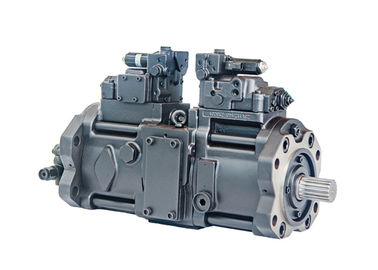
Hydraulic pump problems are among the most common hydraulic system failures in excavators. Many operators encounter a similar situation: the machine performs normally after startup, but as the hydraulic oil temperature rises, digging force decreases, travel becomes sluggish, and the entire machine feels weak. At the same time, the hydraulic pump may begin producing abnormal knocking or clicking noises.
Although these symptoms may appear to be separate problems, they are often closely related and can indicate serious wear inside the hydraulic pump.
At startup, hydraulic oil is relatively thick and can maintain pressure more easily. Even if some internal pump components have already begun to wear, the higher oil viscosity can temporarily compensate for the leakage.
As a result, operators may notice:
This often creates the impression that the hydraulic system is healthy.
However, the real problem becomes visible once the machine reaches normal operating temperature.
As hydraulic oil temperature increases, the oil becomes thinner and flows more easily through worn internal clearances.
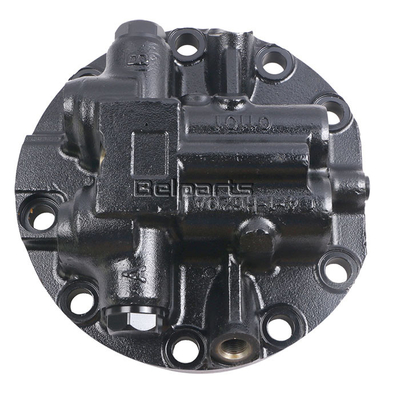
In a worn hydraulic pump, components such as the piston shoes, cylinder block and valve plate can no longer maintain the sealing efficiency required to generate pressure.
Instead of delivering hydraulic power to the machine, part of the oil leaks internally inside the pump.
The result is:
This is why many excavators appear powerful when cold but weak when hot.
In most cases, this symptom is one of the clearest indicators that the hydraulic pump is suffering from internal wear.
When hydraulic power loss is accompanied by knocking, clicking or crackling sounds, the problem often becomes more serious.As internal pump components wear, the contact surfaces between pistons, valve plates and rotating assemblies become damaged. Under high pressure, these worn components can generate abnormal mechanical noise.Another common cause is cavitation.When the pump cannot receive enough hydraulic oil because of blocked filters, restricted suction lines or low oil levels, air bubbles form inside the pump. When these bubbles collapse, they create powerful shock waves that produce a distinctive knocking sound.
Operators often describe the noise as:
If ignored, cavitation can rapidly damage the valve plate, pistons and cylinder block.
Many excavator owners assume that power loss and pump noise are unrelated problems.
In reality, they often share the same root cause.
A hydraulic pump that has accumulated thousands of operating hours may experience:
As wear becomes more severe, the pump not only loses efficiency when hot but also begins producing abnormal noise during operation.
Therefore, when an excavator shows both symptoms at the same time, technicians usually focus their inspection on the hydraulic pump itself before investigating other hydraulic components.
Before replacing the pump, several basic inspections should be performed:
If pressure drops significantly after the machine warms up and abnormal pump noise continues to increase, internal pump wear is often the most likely cause.
When an excavator is powerful during cold startup but becomes weak after reaching operating temperature, while also producing knocking or clicking noises from the hydraulic pump, the problem is often related to internal hydraulic pump wear, excessive internal leakage or cavitation.
These symptoms are early warning signs that should not be ignored. Timely inspection and repair can prevent more serious damage to the hydraulic system and help avoid costly downtime. For excavators operating in demanding construction, quarrying and mining environments, maintaining a healthy hydraulic pump is essential for ensuring reliable performance and long service life.